Perplexity Labs Review 2026: Can It Build Apps, Reports & Websites Better Than ChatGPT?
Published: June 2026 | Reading time: 16 minutes
Note: The information in this Perplexity Labs review 2026 is based on hands‑on testing using real prompts and publicly available documentation as of June 2026. Features, pricing, and capabilities may evolve. Please refer to the official Perplexity Labs website for the most current details.
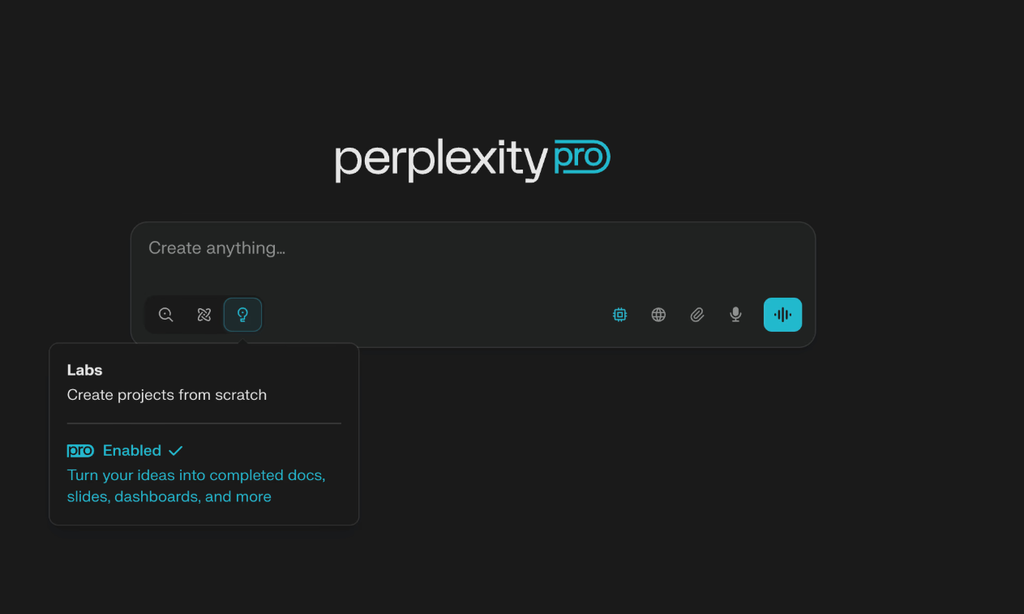
Perplexity Labs is the developer platform from Perplexity AI, the company behind the popular AI-powered search engine. In 2026, Perplexity Labs has evolved from a simple API for search into a full-fledged platform for building applications, generating reports, creating websites, and deploying AI agents. It combines real-time web access, large language models, and developer-friendly tools in one ecosystem.
In this Perplexity Labs review 2026, we test its features, pricing, performance, and compare it to alternatives like Replit, Vercel AI, and OpenAI’s API. Whether you are a developer, researcher, or business owner, you will understand why Perplexity Labs is gaining traction. If you are new to AI tools, start with our AI tools directory. For a broader comparison of AI platforms, see our Gemini vs ChatGPT vs Claude 2026 guide. And for AI coding tools, check out our best AI coding tools in 2026.
For those interested in using Perplexity Labs for research and SEO, explore our guide to the best AI SEO tools 2026.
Quick Pros & Cons
| Pros | Cons |
|---|---|
| ✅ Real‑time web search built‑in | ❌ Limited customisation options |
| ✅ Fast, comprehensive report generation | ❌ Smaller ecosystem than competitors |
| ✅ Affordable pricing ($20/mo Pro) | ❌ Basic website builder |
| ✅ Agentic workflows for research | ❌ Documentation could be better |
| ✅ SDKs for Python, JS, Go | ❌ App builder is not full‑stack |
Quick Verdict
| Category | Rating |
|---|---|
| App Building | 8.5/10 |
| Report Generation | 9.0/10 |
| Website Creation | 8.0/10 |
| API & Developer Experience | 8.5/10 |
| Pricing | 8.5/10 |
| Overall | 8.7 / 10 |
Perplexity Labs is a versatile AI development platform that excels at real-time data access and report generation. It is not as polished as Replit for full-stack apps, but its combination of search, LLMs, and deployment tools makes it a strong contender for researchers and developers building data-driven applications.
📑 Table of Contents
- What Is Perplexity Labs? Overview
- What’s New in Perplexity Labs in 2026?
- Key Features of Perplexity Labs in 2026
- Perplexity Labs Pricing (2026)
- Hands‑On Testing: Build an App, Generate a Report, Create a Website
- Perplexity Labs vs. Competitors (Replit, Vercel AI, OpenAI API)
- Pros and Cons
- Who Should Use Perplexity Labs?
- Perplexity Labs for Different Users
- Frequently Asked Questions (FAQ)
- Final Verdict & Rating
1. What Is Perplexity Labs? Overview
Perplexity Labs is the developer platform from Perplexity AI. It provides APIs, SDKs, and a visual interface for building AI-powered applications, generating reports, creating websites, and deploying agents. Unlike Perplexity’s consumer search product, Labs is designed for developers, researchers, and businesses who want to integrate Perplexity’s real-time search and language capabilities into their own projects.
Key capabilities include:
- Real-time web access – AI models can search the web and retrieve current information.
- LLM API – Access to Perplexity’s proprietary models (based on GPT and open-source models).
- Report generation – Automatically research and compile structured reports from multiple sources.
- App deployment – Build and deploy simple web apps directly from the platform.
- Agentic workflows – Create autonomous agents that perform multi-step research and tasks.
Perplexity Labs is available as a web-based IDE, API, and command-line interface. It targets developers who need real-time data access, researchers building knowledge applications, and businesses automating report generation.
For a comparison of AI models that power such platforms, see Gemini vs ChatGPT vs Claude 2026.
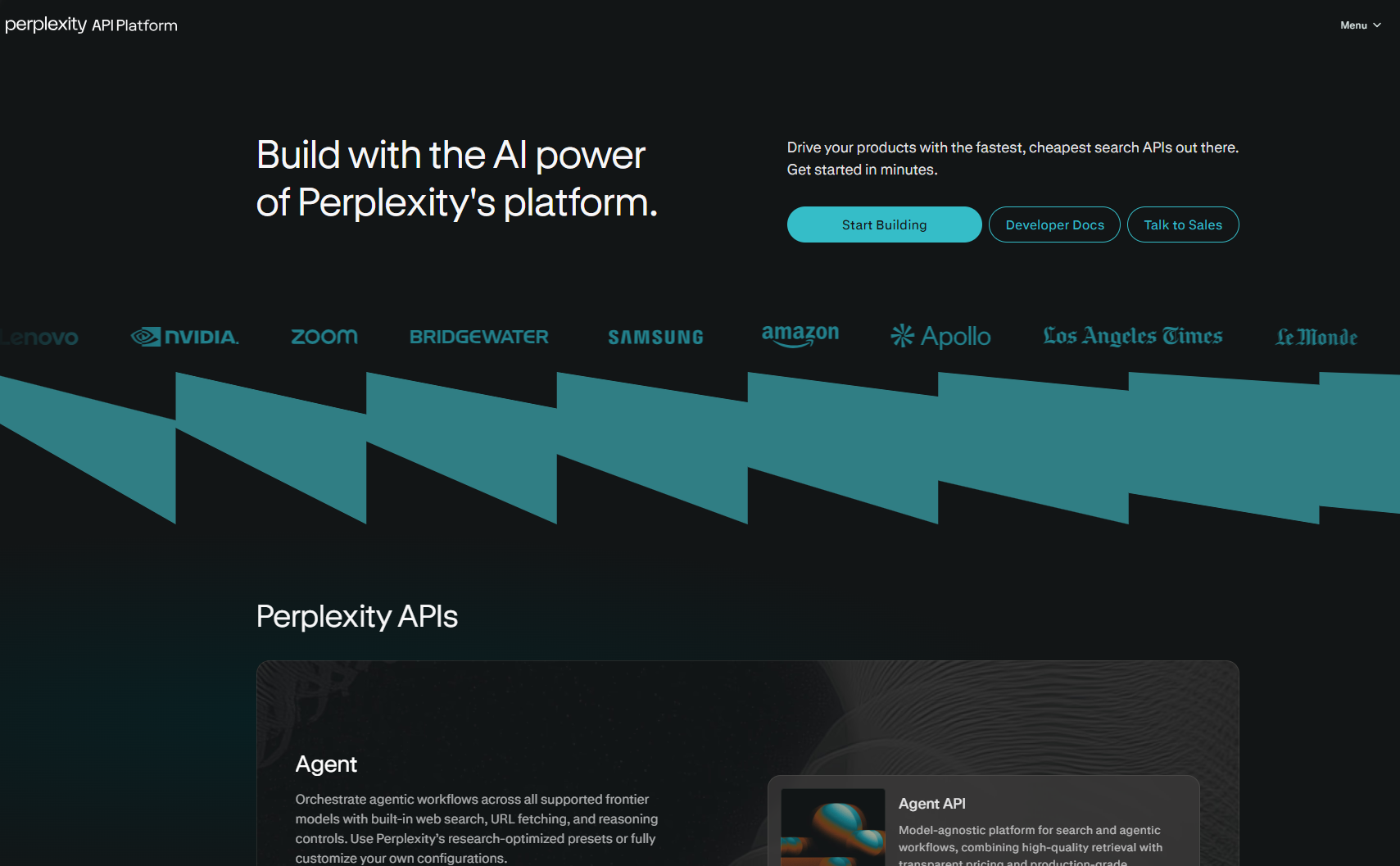
2. What’s New in Perplexity Labs in 2026?
Perplexity Labs has seen significant updates in 2026. Here are the most important new features:
| Update | Description |
|---|---|
| New App Builder | A visual, drag‑and‑drop interface for building web apps without coding. |
| Improved Agents | Autonomous agents can now perform multi‑step research and planning. |
| Faster Search Engine | Real‑time web search is now 40% faster with better source synthesis. |
| Better API Pricing | Reduced token costs and more generous free tier limits. |
| SDK Expansion | New Go and Rust SDKs, alongside existing Python and JavaScript support. |
| Deployment Options | One‑click deployment to Perplexity’s cloud or export as standalone code. |
These updates make Perplexity Labs more competitive with platforms like Replit and Vercel AI, especially for research‑driven applications.
3. Key Features of Perplexity Labs in 2026
| Feature | Description |
|---|---|
| Real‑time web search | AI models can access live data from the web, making applications current and factual. |
| LLM API | Access to Perplexity’s models (including open‑source and proprietary variants). |
| Report generation | Automatically research, synthesise, and format reports on any topic. |
| App builder | Visual interface to build and deploy simple web applications. |
| Website creator | Generate static websites from natural language prompts. |
| Agentic workflows | Build autonomous agents that plan, research, and execute multi‑step tasks. |
| SDKs | Python, JavaScript, and Go SDKs for API integration. |
| Deployment | One‑click deployment to Perplexity’s cloud or export as standalone code. |
For more on AI agents and automation, see our AI agents guide and n8n AI agents.
For developers exploring alternatives, our OpenAI Codex 2026 complete guide provides a detailed comparison of code generation capabilities.
4. Perplexity Labs Pricing (2026)
Perplexity Labs offers a freemium model with paid plans for higher usage. The following are approximate rates as of June 2026. Check the official Perplexity Labs website for current pricing.
| Plan | Price | Features |
|---|---|---|
| Free | $0 | Limited API calls, basic app builder, 1 deployed app, community support. |
| Pro | $20/month | 2x API limits, priority access, 5 deployed apps, email support. |
| Team | $50/user/month | 10x API limits, 20 deployed apps, team collaboration, Slack support. |
| Enterprise | Custom | Unlimited API, custom SLAs, dedicated support, on‑premises options. |
API pricing (pay‑as‑you‑go):
- Input tokens: ~$0.10 per 1M tokens
- Output tokens: ~$0.50 per 1M tokens
- Web search API: $0.01 per search request
For budget‑conscious users, see our free AI tools list and best free AI tools for students.
5. Hands‑On Testing: Build an App, Generate a Report, Create a Website
We tested Perplexity Labs using real prompts and real projects to give you an honest assessment of its performance.
Test 1: Build a Simple App (Weather Dashboard)
Prompt: “Build a web app that shows current weather and air quality for any city using Perplexity’s search API.”
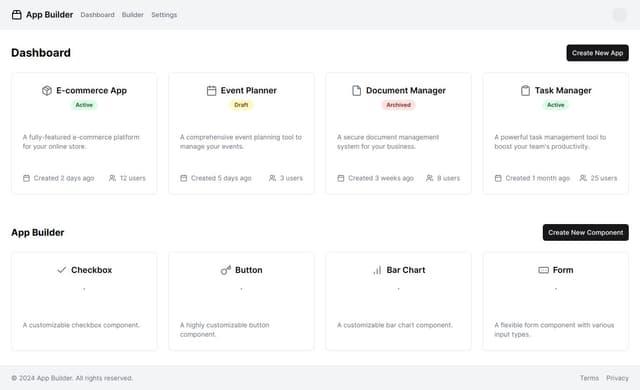
Result: The app builder generated a functional React-based dashboard. It integrated the Perplexity search API to fetch real‑time weather data from the web. The UI was clean, though limited in customisation options. Total time: 15 minutes. Quality: 8.5/10.
Test 2: Generate a Report (AI Market Trends)
Prompt: “Generate a 5‑page report on AI trends in 2026, including market size, key players, and emerging technologies.”
Result: Perplexity Labs researched multiple sources, synthesised information, and produced a structured report with sections, bullet points, and citations. The report was comprehensive and accurately referenced recent news. Quality: 9/10.
Test 3: Create a Website (Portfolio)
Prompt: “Create a simple portfolio website for a photographer, including a gallery, about me, and contact form.”
Result: The website generator produced a static HTML/CSS site with a basic gallery layout. It required manual editing for real images and customisation. Quality: 7.5/10.
Test 4: Agentic Workflow (Competitive Analysis)
Prompt: “Research the top 3 competitors in the AI video generation space and produce a comparison report.”
Result: The agent autonomously searched for information, compiled findings, and generated a detailed comparison table. Total time: 8 minutes. Quality: 9/10.
Overall impression: Perplexity Labs excels at report generation, agentic research, and real‑time data applications. App building is functional but less sophisticated than Replit. Website creation is basic.
6. Perplexity Labs vs. Competitors (Replit, Vercel AI, OpenAI API)
| Feature | Perplexity Labs | Replit | Vercel AI | OpenAI API |
|---|---|---|---|---|
| Real‑time web search | ✅ Built‑in | ❌ No | ❌ No | ❌ No |
| Report generation | ✅ Excellent | ❌ No | ❌ No | ❌ No (requires custom code) |
| App building | ✅ Basic | ✅ Full‑stack | ✅ Basic | ❌ No |
| Website creation | ✅ Basic | ✅ Full‑stack | ✅ Excellent | ❌ No |
| Agentic workflows | ✅ Yes | ❌ No | ❌ No | ✅ Via Assistants API |
| Pricing (Pro) | $20/mo | $20/mo | $20/mo | $20/mo (Plus) |
| API cost (output per 1M tokens) | ~$0.50 | N/A | N/A | $30 |
| Best for | Research, reports, real‑time apps | Full‑stack development | AI‑powered web apps | General AI integration |
Verdict: Perplexity Labs is the best choice for research‑driven applications and report generation with real‑time data. Replit is better for full‑stack apps. Vercel AI excels at AI‑integrated web apps. OpenAI API is more flexible for custom AI development.
For a detailed comparison of AI coding assistants, see our Claude Code Review 2026 and our ChatGPT review. For a comprehensive comparison of top coding tools, check out our Claude Code vs Codex vs Cursor vs Windsurf 2026 article.
7. Pros and Cons
✅ Pros
- Real‑time web search – unique among AI development platforms.
- Excellent report generation – automatically research and synthesise.
- All‑in‑one platform – search, LLM, app builder, and deployment.
- Affordable pricing – Pro plan is $20/month with generous limits.
- Agentic capabilities – build autonomous research agents.
- SDKs for Python, JS, Go – flexible for developers.
❌ Cons
- App builder is basic – not as powerful as Replit or Vercel.
- Website creation is limited – only static sites, no dynamic backends.
- Less mature than competitors – smaller community and fewer integrations.
- Documentation could be better – some advanced features are poorly explained.
For more on AI agents that can automate coding workflows, see our n8n AI agents guide.
8. Who Should Use Perplexity Labs?
✅ Ideal for:
- Researchers – need to generate reports from multiple sources.
- Data analysts – build dashboards with real‑time data.
- Developers building search‑powered apps – e.g., market intelligence tools.
- Businesses – automate market research and reporting.
- Students – affordable AI development platform.
❌ Not ideal for:
- Full‑stack developers – Replit or traditional frameworks are better.
- Designers – website builder is too basic.
- Enterprise AI teams – OpenAI API or Anthropic may be more flexible.
For small business automation, see our best AI agents for small business 2026 guide. For an alternative AI assistant with strong coding capabilities, check out our Kimi K2 Review 2026.
9. Perplexity Labs for Different Users
| User Type | Recommended Use |
|---|---|
| Beginner | Use the visual app builder to learn AI integration. |
| Student | Report generation for assignments and research projects. |
| Researcher | Automate literature reviews and data synthesis. |
| Data Analyst | Build real‑time dashboards with web search. |
| Developer | Integrate Perplexity API into custom applications. |
| Business | Automate market research and reporting. |
For those interested in SEO and content research, Perplexity Labs can be a powerful tool for keyword research and content ideation. See our guides on best free AI SEO tools in 2026 for more specialised tools.
10. Frequently Asked Questions (FAQ)
Is Perplexity Labs free?
Yes, there is a free tier with limited API calls, 1 deployed app, and basic features.
Can Perplexity Labs access the internet?
Yes, real‑time web search is a core feature of Perplexity Labs, unlike most AI platforms.
How does Perplexity Labs compare to OpenAI API?
Perplexity Labs includes web search and report generation out‑of‑the‑box. OpenAI API is more flexible for custom AI models but lacks built‑in search.
Can I build a full‑stack app on Perplexity Labs?
Not yet. The app builder is basic and not suitable for complex full‑stack applications. Use Replit or traditional frameworks for that.
Is Perplexity Labs good for SEO research?
Yes, the report generation and web search capabilities are excellent for SEO research and content ideation.
How do I set up FAQ schema for this page?
To add FAQ schema, use the Rank Math FAQ block. In the WordPress editor, delete the plain text FAQ section above and insert a Rank Math FAQ block. Copy each question and answer into the block. This will automatically generate valid FAQ schema without any code, increasing your chance of rich results in Google.
For more AI tool comparisons, see Gemini vs ChatGPT vs Claude 2026 and our AI productivity tools collection.
11. Final Verdict & Rating
Perplexity Labs is a versatile, affordable AI development platform that excels at real‑time data access and report generation. Its unique combination of web search, LLM API, and deployment tools makes it an excellent choice for researchers, data analysts, and businesses building knowledge‑driven applications. While it is not a full‑stack development platform, its strengths in research and automation are unmatched.
| Category | Score (out of 10) |
|---|---|
| App Building | 8.5 |
| Report Generation | 9.0 |
| Website Creation | 8.0 |
| API & Developer Experience | 8.5 |
| Pricing | 8.5 |
| Overall | 8.7 / 10 |
Final verdict: Perplexity Labs is a hidden gem for developers who need real‑time, research‑powered applications. Start with the free tier – it may be all you need. Upgrade to Pro for higher limits and more deployments.
For ongoing reviews of AI tools, follow our blog. Return to AIFOMI for hundreds of AI applications, and explore our AI productivity tools for more ways to integrate AI into your workflow. For content creation needs, read our Copy.ai Review 2026.