AI Agents: What They Are and Why They Are the Future of Artificial Intelligence (2026 Guide)
AI Agents are rapidly becoming one of the most important innovations in artificial intelligence. Unlike traditional AI tools that simply respond to prompts, AI Agents can plan tasks, make decisions, and execute actions autonomously.
📑 Table of Contents
- What Are AI Agents?
- What Makes an AI Agent Intelligent?
- Types of AI Agents
- Real-World Applications
- AI Agents vs ChatGPT and Traditional AI Tools
- Why AI Agents Are the Future
- Emerging Trends for 2026 and Beyond
- Challenges and Risks
- Frequently Asked Questions (FAQ)
- Conclusion

Introduction
Artificial intelligence is evolving faster than ever. While tools like ChatGPT, Gemini, and Claude have transformed how people interact with AI, a new generation of systems is emerging that can do much more than answer questions. These systems are known as AI agents (also called autonomous AI agents or Agentic AI).
Instead of simply generating responses, AI agents can plan tasks, make decisions, use external tools, and execute complex workflows with minimal human supervision. Many experts believe that AI agents will become the foundation of the next wave of digital transformation.
If you are new to artificial intelligence, explore our AI Tools Blog for guides, reviews, and tutorials covering the latest AI innovations.

🤔 What Are AI Agents?
AI agents are autonomous software systems that can perceive information, reason about goals, make decisions, and perform actions without requiring constant human instructions. Unlike traditional chatbots that wait for user prompts, AI agents proactively work toward completing objectives.
Example:
- Traditional chatbot: “What is the best hotel in Dubai?”
- AI agent: “Find the best hotel in Dubai, compare prices, book a room, schedule airport transportation, and send confirmation details.”
The difference is simple: Chatbots answer. AI agents act.
🧠 What Makes an AI Agent Intelligent?
1. Perception
AI agents gather information from documents, databases, APIs, images, websites, and sensors.
2. Reasoning and Planning
Modern agents use Large Language Models (LLMs) to analyze objectives and create execution plans.
Learn about an open‑source LLM in our MiniMax M2.7 review.
3. Action
AI agents interact with tools and software. They can send emails, update spreadsheets, generate code, manage calendars, and more.
4. Memory and Learning
Advanced agents remember previous interactions and improve through feedback, becoming increasingly effective over time.
📋 Types of AI Agents
- Simple Reflex Agents – Thermostats that react to temperature changes.
- Model-Based Agents – Robot vacuums that remember cleaned rooms.
- Goal-Based Agents – GPS navigation recalculating routes.
- Utility-Based Agents – Autonomous vehicles optimizing safety and efficiency.
- Learning Agents – Recommendation engines that improve over time.
- Multi-Agent Systems – Teams of delivery drones coordinating logistics.
💼 Real-World Applications of AI Agents
Healthcare – Summarizing medical records, monitoring patients, supporting diagnostics.
Customer Support – Answering inquiries, processing refunds, scheduling appointments.
Marketing & Sales – Finding leads, creating email campaigns, optimizing ads.
For content creation, see our AI writing tools.
Software Development – Generating code, debugging, running tests. You may also enjoy our AI Coding Assistants guide.
Creative Work – Coordinating models to generate images, videos, and presentations.
Learn more in our Midjourney V7 Review and Google Veo 3.1 guide.
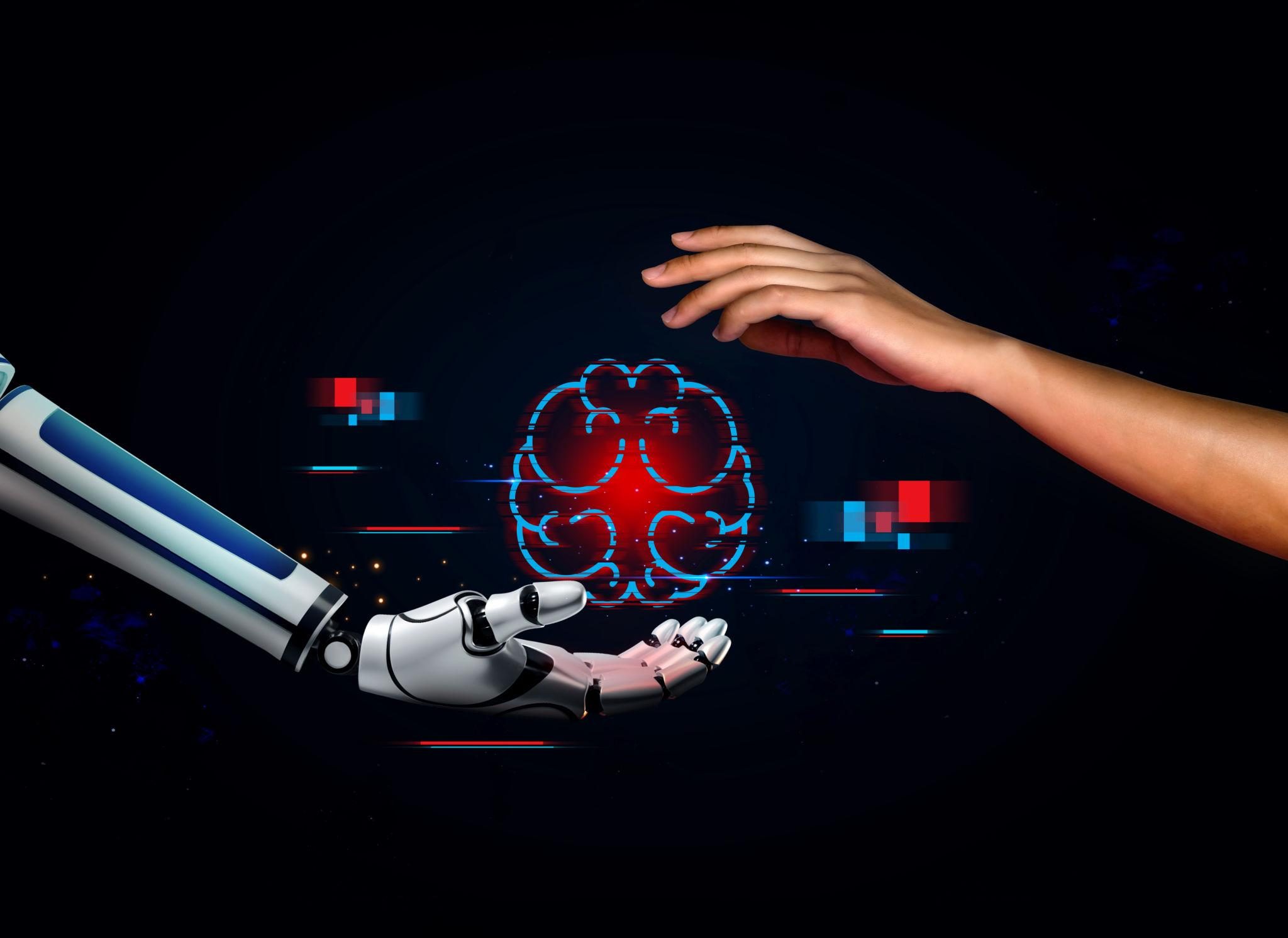
🔥 AI Agents vs ChatGPT and Traditional AI Tools
Is ChatGPT an AI agent? Not exactly. ChatGPT is primarily an AI assistant designed for conversation. However, when connected to tools, memory systems, and task execution frameworks, it can become part of an agentic ecosystem.
Key difference: ChatGPT provides information; AI agents take action based on information.

Caption: AI agents operate autonomously, while chatbots require continuous prompting.
🚀 Why AI Agents Are the Future of Artificial Intelligence
- Increased Productivity – AI agents work continuously without breaks.
- Better Decision-Making – Agents analyze large volumes of information faster than humans.
- Scalability – Businesses can deploy thousands of agents simultaneously.
- Cost Reduction – Automation significantly lowers operational expenses.
- Multi-Agent Collaboration – Teams of AI agents will coordinate across departments.
For hardware requirements to run advanced AI models, check out our complete guide on Gemini Intelligence hardware requirements.
📈 Emerging Trends for 2026 and Beyond
- Enterprise AI Agents – Gartner projects that by 2026, 40% of enterprise applications will include task-specific AI agents. (Source: Gartner)
- Personal AI Assistants – Capable of managing emails, meetings, research, and scheduling.
- Agentic Software Development – Developers moving from writing every line of code to supervising AI coding agents.
- Autonomous Research Systems – Agents gather information, analyze sources, and generate reports automatically.
⚠️ Challenges and Risks
- Reliability – Agents may misunderstand goals or act incorrectly.
- Security – Autonomous access to systems creates new cybersecurity risks.
- Transparency – Understanding why an agent made a decision remains difficult.
- Compliance – Organizations must ensure agents follow regulations and company policies.
- Integration Complexity – Many businesses still rely on legacy systems that are difficult to connect with autonomous agents.
❓ Frequently Asked Questions (FAQ)
What is an AI agent?
An AI agent is an autonomous software system that can perceive information, make decisions, and execute tasks to achieve goals with minimal human intervention.
How are AI agents different from chatbots?
Chatbots mainly respond to prompts, while AI agents can plan and complete multi‑step tasks autonomously.
What are the most popular AI agents in 2026?
Popular examples include OpenAI Agents, Microsoft Copilot Agents, Gemini Agents, AutoGPT, and Manus AI.
Can AI agents replace human workers?
AI agents are primarily designed to automate repetitive tasks and enhance productivity rather than completely replace humans.
Are AI agents safe?
They can be safe when proper security controls, monitoring systems, and governance frameworks are implemented.
🔚 Conclusion
AI agents represent a major shift in artificial intelligence. Instead of simply generating answers, they can actively perform tasks, solve problems, and help individuals and organizations achieve goals more efficiently. As technology continues to advance, AI agents are expected to become indispensable digital collaborators that augment human capabilities rather than replace them. Understanding AI agents today provides valuable insight into the future of work, business, and technology.
according to research from OpenAI and Google DeepMind, AI agents are evolving from simple assistants into autonomous systems capable of planning, reasoning, and executing complex tasks